salakhalimunmountain.com – Imagine standing in a place where the earth breathes, where every leaf is a world of its own, and the very air feels heavy with the pulse of ancient life. This is the Halimun Salak National Park, a vast emerald sanctuary that serves as one of the last remaining strongholds of primary lowland rainforest on the island of Java. To walk these trails is to witness a complex, living machine where every creature, from the tiniest fungus to the majestic leopard, plays a vital role. Understanding the ecosystem of Salak Halimun is not just about learning scientific facts; it is about feeling the interconnectedness of a wilderness that has thrived for thousands of years, high above the bustling cities below.
The Vertical World of the Rainforest Canopy
The Great Green Roof of Java
The first thing you notice when entering the deep forest is the light. Or rather, the lack of it. The canopy of Salak Halimun acts as a massive biological umbrella. Towering giants like the Rasamala trees reach for the heavens, creating a dense ceiling that traps moisture and regulates the temperature of the forest floor. This upper layer is a bustling highway for wildlife. It is here that the Javan Gibbon, or Owa Jawa, swings with effortless grace. These primates are the true guardians of the canopy, and their haunting, melodic calls are the morning alarm clock of the park. Their role in the ecosystem is crucial as they are the primary seed dispersers, ensuring that the fruit they eat today becomes the towering forest giants of tomorrow.
Life in the Mid Deck and Understory
Below the highest branches lies the understory, a realm of shadows and intense competition for sunlight. Here, you will find a dizzying array of epiphytes, plants that grow upon other plants without taking their nutrients. Orchids cling to mossy bark, and bird nest ferns catch falling organic debris to create their own pockets of soil high above the ground. This vertical layering allows the park to support an incredible density of life in a relatively small area. Every square meter of space is utilized, creating a multi story apartment building for insects, birds, and small mammals. When you walk with us through these paths, we often stop to look at these micro habitats that many travelers walk right past.
The Hidden Engineers of the Forest Floor
Decomposition and the Circle of Life
In the humid warmth of the Salak Halimun rainforest, nothing goes to waste. The forest floor is where the magic of recycling happens. As leaves, branches, and organic matter fall, they are immediately set upon by an army of decomposers. Fungi, bacteria, and various insects break down this “litter” at an incredible speed, turning dead matter back into rich nutrients for the soil. This is why the soil in a rainforest is often surprisingly thin; the nutrients are constantly being pulled back up into the living plants. During the rainy season, you might spot bioluminescent mushrooms glowing softly in the dark, a silent reminder of the chemical energy moving through the earth beneath your boots.
Water as the Lifeblood of the Region
Mount Salak and Mount Halimun are often referred to as “water towers.” The ecosystem acts like a giant sponge, soaking up the frequent tropical rains and slowly releasing them into hundreds of streams and waterfalls. This water does more than just nourish the ferns and mosses; it is the lifeblood for millions of people living in the surrounding valleys and as far away as Jakarta. The moss covered rocks you see along the Cikaniki or Cidahu trails are essential filters, ensuring that the water remains clean and clear. Protecting the forest ecosystem is, quite literally, protecting the water supply of West Java.
The Predators and the Balance of Power
The Elusive Javan Leopard
Every healthy ecosystem needs a top predator to maintain balance, and in Salak Halimun, that role belongs to the Javan Leopard. While they are masters of camouflage and rarely seen by the casual trekker, their presence is felt everywhere. By keeping populations of wild boar and macaques in check, the leopard prevents overgrazing of the forest floor, which in turn allows rare plants to thrive. We often find their tracks in the soft mud after a night of rain, a thrilling sign that the heart of the jungle is still beating strong. Their survival is a testament to the success of the conservation efforts within the national park boundaries.
Birds as the Messengers of Health
The park is a paradise for birdwatchers, home to over 200 species including the magnificent Javan Hawk Eagle. These birds are “indicator species,” meaning their health reflects the health of the entire ecosystem. Because they sit near the top of the food chain, any imbalance in the forest—such as a loss of prey or chemical pollution—shows up in their populations first. Seeing a hawk eagle soaring over the ridges of Mount Salak is a beautiful confirmation that the air and the land remain pure. From the colorful Javan Kingfisher to the secretive hornbills, the avian life here is a vibrant thread in the ecological tapestry.
Living in Harmony with Local Communities
Cultural Ecology and Local Wisdom
The ecosystem of Salak Halimun is not separate from the people who live on its fringes. Local Kasepuhan communities have lived in harmony with these mountains for generations. Their traditional agricultural practices and deep respect for the forest spirits offer a model for modern conservation. They understand that if the forest thrives, the rains will come and the harvests will be plentiful. This cultural layer is an essential part of the park’s story. We believe that by visiting these communities and learning their ways, trekkers gain a deeper appreciation for why this land must be protected at all costs.
The Importance of Responsible Trekking
As visitors, we are part of the ecosystem the moment we step onto the trail. Every footstep has an impact. This is why we emphasize nature ethics—carrying out all trash, staying on the marked paths to avoid crushing delicate seedlings, and never disturbing the wildlife. The rainforest is resilient, but it is also fragile. When we walk through the jungle with a spirit of ecological respect, we ensure that the complex dance of life continues undisturbed for the next generation of explorers.
The Future of the Salak Halimun Wilderness
Conservation Stories and Successes
Despite the pressures of the modern world, Halimun Salak National Park remains a beacon of hope. Dedicated rangers and conservationists work tirelessly to monitor wildlife and prevent illegal activities. Rehabilitation programs for the Javan Gibbon have seen great success, with many individuals being released back into the wild. By choosing to visit this park, you are directly supporting these efforts. Your presence provides a sustainable economic alternative to forest exploitation, proving that a standing forest is worth far more than one that has been cleared.
A Journey into the Soul of Java
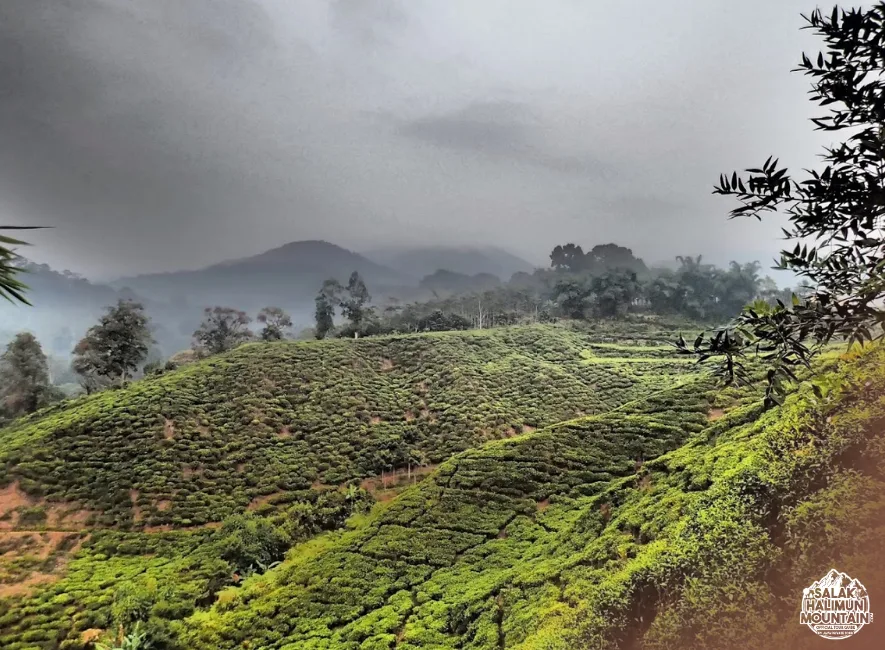
To understand the ecosystem of Salak Halimun is to understand the soul of Java itself. It is a place of mystery, where clouds wrap around ancient trees and the air is filled with the scent of wild ginger. It reminds us that we are part of nature, not masters of it. Whether you are watching a mist rise over a hidden valley or listening to the rhythmic call of a cicada, you are participating in a story that began long before we arrived. We invite you to come and see this wonder for yourself, to walk the soft mud trails, and to breathe the air that only a deep, healthy rainforest can provide.
So, if you’re ready to explore the wonders of Mount Salak Halimun, head over to our ONLINE BOOKING PAGE and let’s start planning your adventure. Or simply CLICK THIS LINK to chat with us on WhatsApp.
With our team, you’re not just getting a guide; you’re gaining a local friend who will ensure your trip is nothing short of extraordinary.